
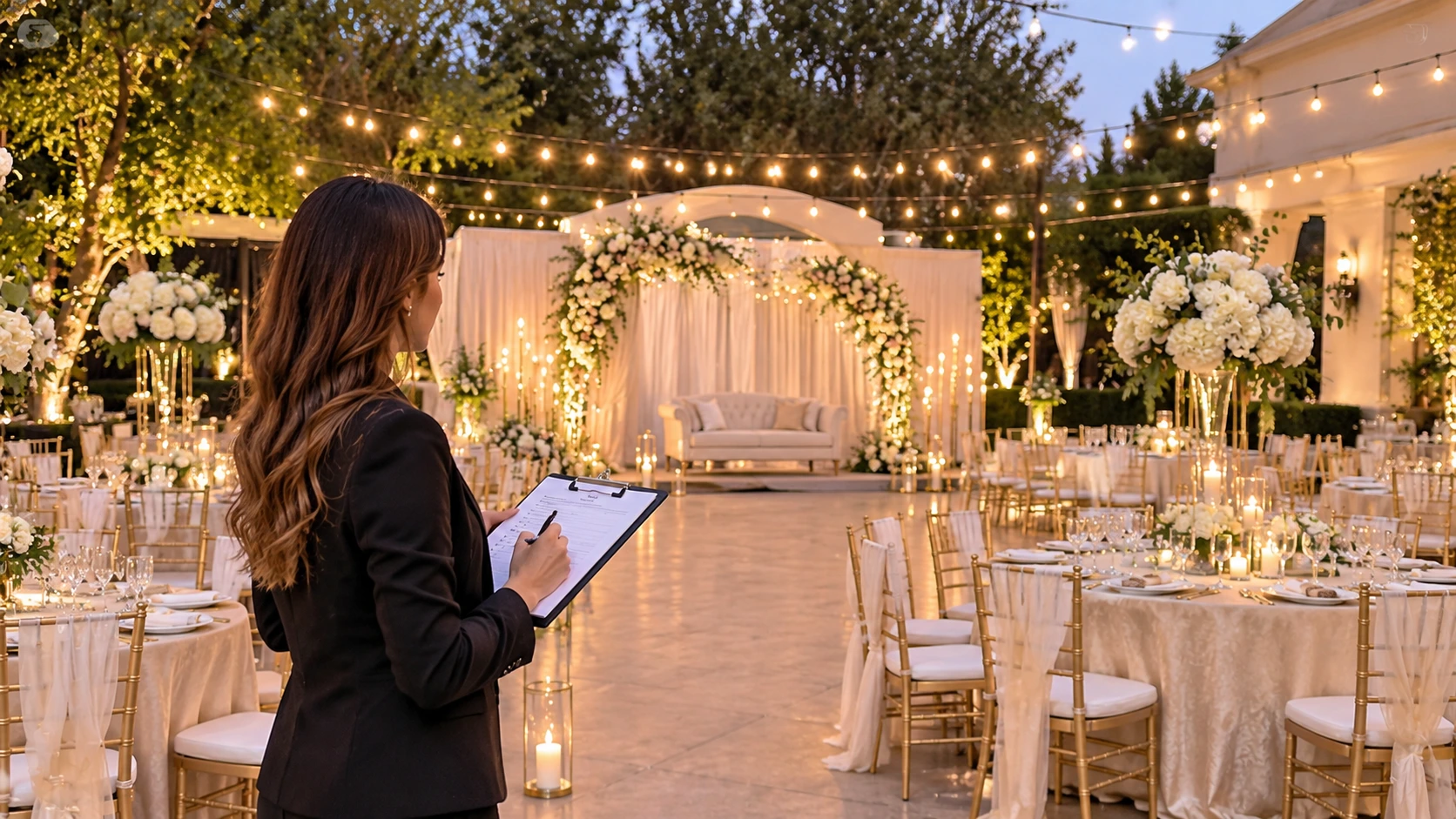
10 Essential Tips for a Safe & Successful Event Luxe Decor And Rentals
The 10 essential tips for a safe & successful event come down to these habits set a firm budget and guest count, choose the right venue, confirm permits and safety rules, plan for weather, hire reliable vendors, rent quality decor, build a timeline, brief your team, walk the space before guests arrive, and keep a backup plan. Whether it’s a wedding, quinceañera or corporate dinner, these tips make celebrations calmer and safer.
How Do You Plan a Successful Event From the Start?
Start with three decisions: your budget, your guest count and your date. Every other choice, from venue size to rental quantities, depends on them. Settling these early prevents the most common planning problem, which is paying for a space or setup that doesn’t fit the people attending.
1. Lock in your budget and headcount
Write down a total budget and a realistic guest range before you tour venues or request quotes. Set aside a contingency fund so surprises like extra chairs or a late tent rental don’t derail your plans. Counting guests accurately also helps you order the right amount of seating, tables and linens.
2. Choose a venue that fits the event, not just the photos
A beautiful venue still needs to work. Ask about maximum capacity, restrooms, parking, load-in access, power, backup indoor space and accessibility for older guests or anyone using a wheelchair. For outdoor celebrations, confirm what the venue allows for tents, lighting and open flames.
3. Build a working timeline
Work backward from the event date. Book the venue and key vendors first, then finalize decor, rentals and the guest list, then confirm everything in the final two weeks. A shared timeline keeps the couple, family and event coordination team on the same page.
What Safety Steps Does Every Event Need?
Every event needs a capacity check, clear exits, a weather plan and basic food safety. These protect guests and keep your day on track. Rules vary by city and venue, so confirm requirements with your venue manager or local fire marshal rather than assuming.
4. Respect capacity, exits and permits
Never pack more tables and chairs into a space than the venue allows. Keep aisles and exits unblocked, including around decor like arches, backdrops and floral installations. Some cities require permits for tents, amplified sound, street closures or open flames, so ask early.
5. Plan for weather and outdoor event safety
Outdoor events need a plan B. If you’re renting a tent, make sure it is anchored the way the rental company specifies, and ask what wind or storm conditions mean cancelling or moving indoors. Provide shade and water in summer, and heat or covered walkways in cooler months. Check the forecast the week of the event and again the day before.
6. Handle food, power and emergencies
Perishable food shouldn’t sit out for long: the USDA advises keeping cold food at 40°F or below and hot food at 140°F or above, and discarding perishables left out more than two hours (one hour above 90°F). Also know where the first aid kit, fire extinguisher and nearest exit are, and keep extension cords off walkways. Share one emergency contact with your coordinator and vendors.
How Can Professional Event Decoration Make Setup Easier?
Professional event decoration, whether you rent or buy, saves time when pieces are chosen for the space, delivered on schedule and installed safely. Rentals in particular let you get a polished look without storing or reselling items afterward.
7. Match your decor to the venue and theme
Start with the room’s size, ceiling height and lighting. A grand backdrop that suits a ballroom can overwhelm a backyard, and a delicate centerpiece can disappear in a large hall. Pick a simple palette, then layer in seating, linens, florals, lighting and a focal point like a sweetheart table or arch. Quinceañera and wedding setups often add a dance floor and head table, so plan space for those.
8. Decide whether to rent or buy
For most one-time celebrations, renting is the more practical route.
| Factor | Renting decor | Buying decor |
|---|---|---|
| Upfront cost | Pay only for the event | Pay full price for every piece |
| Storage | None needed | You store and maintain items |
| Variety | Easy to change style per event | Limited to what you own |
| Delivery and setup | Often available from the provider | You handle transport and setup |
| Best for | Weddings, quinceañeras, one-off parties | Items you’ll reuse often |
Whichever you choose, confirm delivery windows, setup time and return or pickup details in writing.
How Do You Keep Event Day Stress-Free?
Stress-free event planning on the day itself relies on clear roles, a written run-of-show and a final walk-through. When someone other than the host owns each task, the host can actually enjoy the celebration.
9. Assign roles and share a run-of-show
Give every vendor and helper a one-page schedule: arrival times, setup deadlines, key moments such as toasts or the cake cutting, and who to call with questions. Name a point person, such as a planner, coordinator or trusted friend, so guests and vendors don’t keep interrupting the couple or host.
10. Walk the space and keep a backup plan
Do a final walk-through before guests arrive. Check seating against your floor plan, test lighting and microphones, confirm exits are clear and make sure decor is stable. Keep a small kit with tape, scissors, safety pins, extra candles or batteries, and a charger. If you’d like help with this stage, Luxe Decor And Rentals offers event setup and decoration support to take that load off your shoulders.
Event planning checklist what to do and when
Use this simple timeline as a starting point and adjust it for the size of your event.
| When | Key tasks |
|---|---|
| 6–12 months out | Set budget and guest range, book venue and main vendors |
| 3–6 months out | Choose decor, rentals and theme, check permits and insurance needs |
| 1–2 months out | Finalize guest list, floor plan, menu and run-of-show |
| 1–2 weeks out | Confirm every vendor, delivery window and weather plan |
| Event day | Walk the space, check safety points, brief your point person |
Frequently Asked Questions
How far in advance should I start planning an event?
Start 6 to 12 months ahead for weddings and large celebrations, and 2 to 3 months ahead for smaller parties. Popular venues, vendors and rental items book up in peak seasons, so earlier is safer.
What is the most important safety consideration for outdoor events?
Weather planning is the biggest one. Secure any tents or structures as instructed by the provider, have an indoor or covered backup, and provide shade, water or warmth depending on the season. Know in advance what conditions would trigger a move or cancellation.
Is it better to rent or buy event decor?
For one-time events like weddings, quinceañeras and birthday parties, renting is usually more practical because you avoid storage and upfront costs. Buying makes more sense for items you’ll reuse regularly.
What should an event planning checklist include?
A solid checklist covers budget, guest count, venue, permits, vendors, decor and rentals, food, a day-of schedule, safety items and a backup plan. Assign an owner and deadline to each task.
Do I need a coordinator for a small event?
Not always, but someone should own the day-of details. For small gatherings, a trusted friend or relative can serve as point person. For weddings and larger events, a professional coordinator can reduce stress and catch problems early.